
Raised beds are a brilliant way to give your plants the best possible start. By lifting your greenery off the ground, you’ll keep the soil healthier, improve drainage, and save yourself a few backaches along the way.
With a little planning and some simple materials, you can turn even the plainest patch of lawn into a thriving mini-sanctuary. Here’s how to do just that.
You might also like


Choose the Right Spot
When looking for a seat in a café, you’ll want it to have plenty of light, not be too draughty, and be close enough to the counter when you need a refill. Plants are just as picky. They, too, need ample sunshine, good drainage, and easy access to water and nutrients.
Aim for a sunny spot, away from fences, sheds, or neighbouring trees. Ideally, your chosen location should get at least six hours of light a day.
Avoid patches where water tends to pool after rain, and don’t forget to leave enough room to walk around comfortably.
Last but not least, you should also consider how you’ll reach all sides to make future weeding and harvesting as smooth as possible.
Pick Your Materials
Raised beds aren’t just functional; they can enhance the overall look of your garden, depending on the material you choose.
Cedar is a classic option. It’s tough, naturally resistant to rot, and adds a unique rustic feel to any space. If you’re looking for something even sturdier, recycled plastic can withstand the unpredictable British weather for many years to come, but it does come at a higher price.
However, you can still find exactly what you need at a bargain at your local garden centre or timber yard. Just steer clear of chemically treated wood, as it can release toxins into the soil over time.
For a personal touch, consider mixing materials. Stone edging with wooden panels, for example, can create a raised bed that’s both durable and decorative.
When in doubt, it always helps to ask fellow gardeners in online community groups for help. They can recommend affordable options to help you design the garden of your dreams without breaking the bank.
Select the Most Appropriate Size
Size really does matter when it comes to raised beds. If you go too wide, you’ll end up balancing on tiptoe trying to reach the middle. If it’s too shallow, your poor carrots will be stunted before they’ve even had a chance to grow.
To make future upkeep easier on yourself and give your plants the room they need to thrive, aim for about 1.5 metres in width. This width allows you to reach in comfortably from either side without compacting the soil.
As for the depth, it depends on what you’re growing. Lettuce and herbs prefer shallow soil, while root vegetables, such as carrots and parsnips, need a deeper bed, around 30 to 60 cm high.
Prep the Soil
Now that your frame is ready, it’s time to prep the ground. Start by removing any weeds, stones, and grass that can compete with your plants for nutrients or interfere with their development.
Next, go over the soil with a rake to even it out, then dig a shallow groove to anchor the frame securely.
Finally, lay down a cardboard sheet or a few layers of newspaper across the base to suppress future weeds.
Put the Frame Together
This step is just like building flat-pack furniture, but without the cryptic instructions and missing screws.
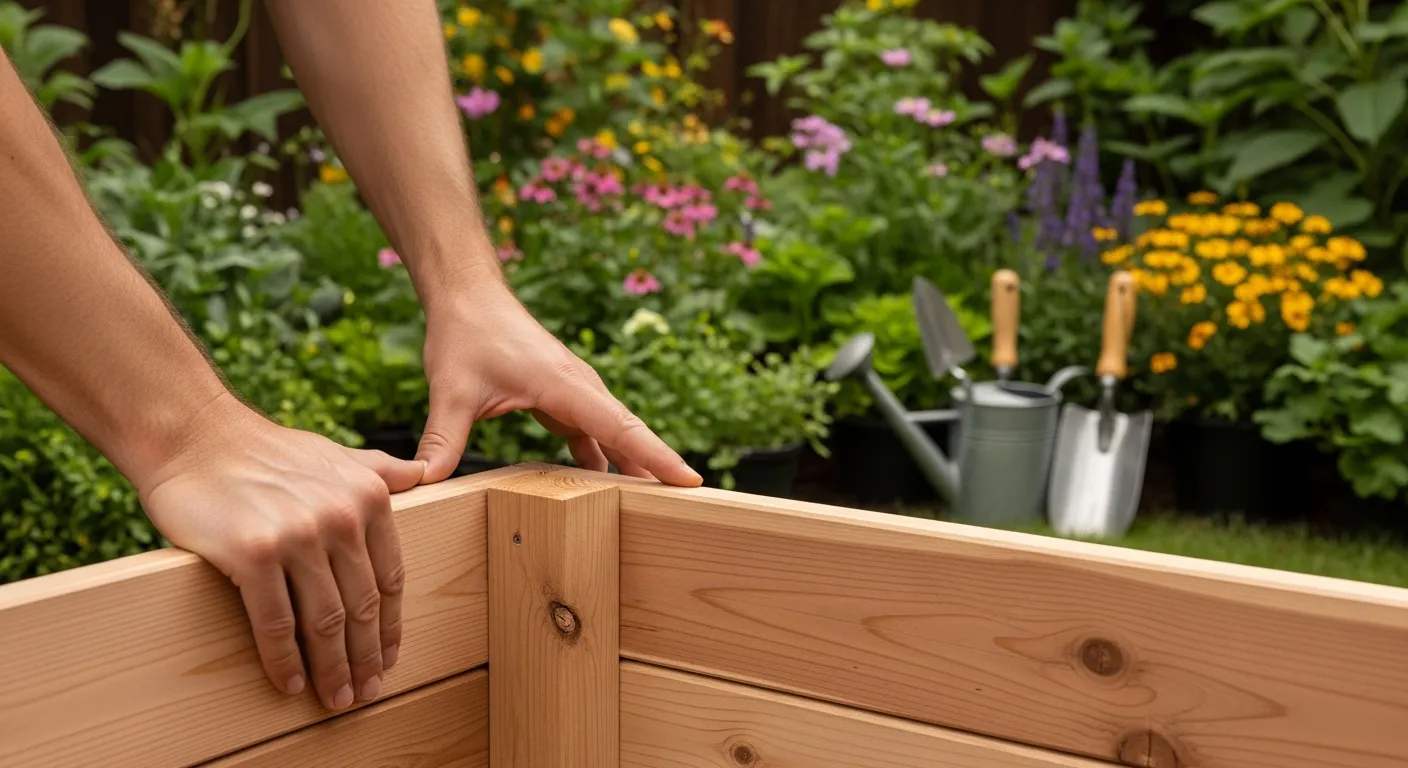
Once your boards are cut to size, all it takes is a little drilling and securing to fix the frame so it’s ready to hold your soil in place.
If you’re building a larger bed, add brackets for extra strength. Before you move on to the next step, make sure the frame is perfectly square by measuring diagonally from opposite corners. If both sides are equal, you’re good to go.
Fill with Soil
Good soil is like good cooking. The final result depends on the ingredients you start with.
A simple mix of equal parts compost, topsoil, and peat-free alternatives, like coco coir, will give you a nutrient-rich base. Not only will it hold just the right amount of moisture, but it’ll also promote strong root development.
If your garden soil tends to stay waterlogged, you can add a thin layer of gravel or stones at the bottom for extra drainage support. However, in most cases, it’s best to skip the gravel and simply fill the bed with your soil mix, as this allows water to drain more naturally.
For stronger growth and deeper flavour, mix in a few handfuls of organic fertiliser or well-rotted manure before planting.
Look After Your Plants
Once your raised bed is all set up, it’s time to make your plants feel at home. To give them the best chance of thriving, opt for species that suit your local weather conditions and cultivate them at the right season.
Leafy greens thrive in the cooler spring months, while tomatoes, peppers, and courgettes flourish in the summer sun.
Some species grow better together. Basil and tomatoes, for instance, make a great couple. When planted side by side, they produce a stronger flavour and deter pests more effectively.
In any case, you’ll need to water them regularly, especially while young, and surround them with straw or wood chips to lock in moisture.
If you want to save yourself the hassle, consider installing a drip irrigation system to distribute moisture evenly without drowning your greenery.
Lastly, keep an eye out for slugs, aphids, and other pests. A dash of soapy water or neem oil spray will get rid of them without resorting to chemical sprays.
But if the problem is too widespread for DIY solutions, professional garden care services can restore balance to your garden, leaving you free to enjoy the harvest.
Conclusion
Raised beds are one of the simplest ways to step up your gardening game. They protect your soil, make plants easier to manage, and give your outdoor space a much-needed sense of order.
So, grab your tools and start building. Before long, you’ll be harvesting crops from a bed you’ve built with your own hands—now that’s proper garden pride.