
Air conditioning systems rely on more than just internal components to deliver cool air throughout a home. The location of the outdoor unit plays a major role in how efficiently the system removes heat from indoor air. Many homeowners in Surprise focus on indoor comfort settings or thermostat adjustments while overlooking how the outdoor unit interacts with the surrounding environment.
Outdoor temperatures in Surprise often reach extreme levels during summer. Heat, sunlight, dust, and airflow around the outdoor unit can directly affect how well the system operates. Proper placement allows the equipment to release heat efficiently, while poor placement can cause the system to work harder than necessary.
Understanding how outdoor unit location influences cooling performance can help homeowners maintain steady comfort and reduce unnecessary strain on their cooling system.
Why the Outdoor Unit Plays a Critical Role in Cooling
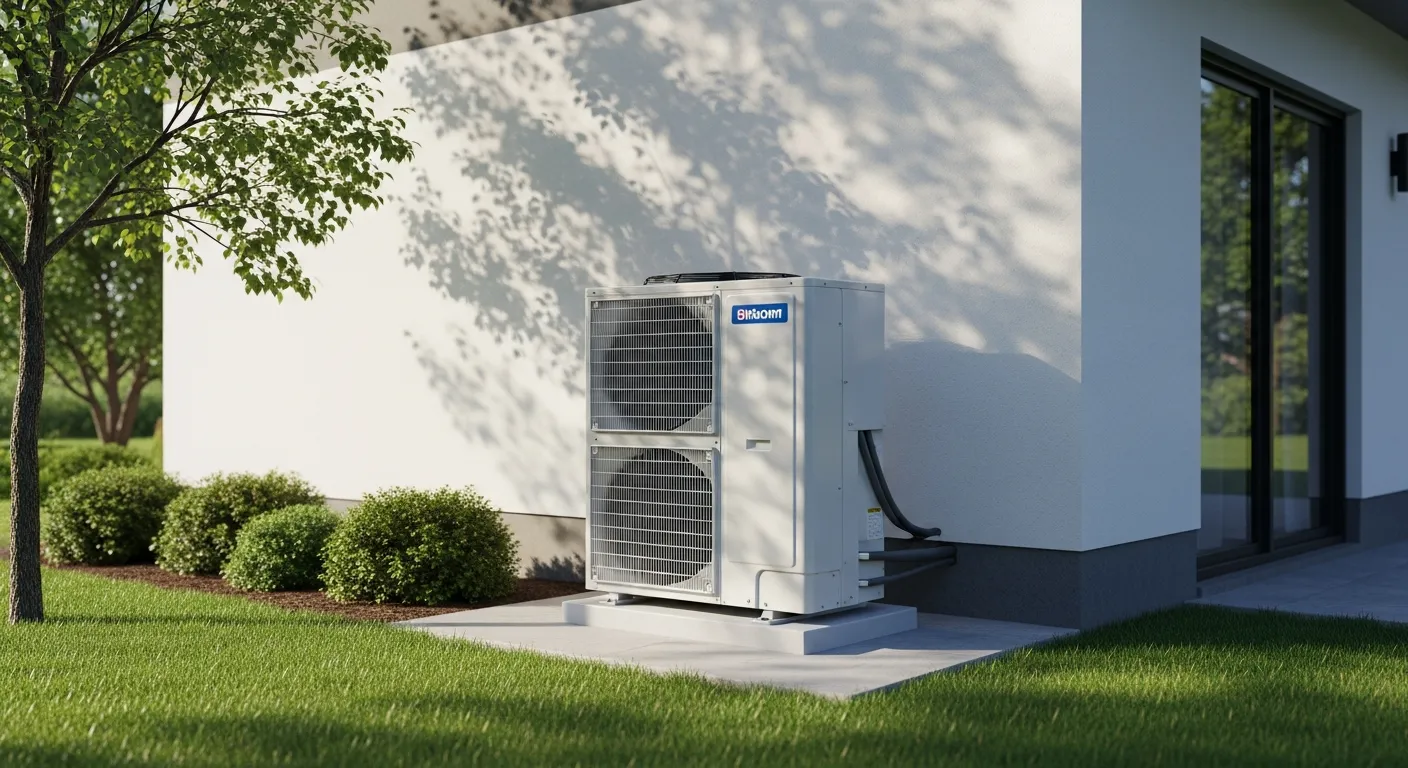
An air conditioner removes heat from inside the home and transfers that heat outdoors. The outdoor unit handles this important part of the cooling process. It contains the condenser coil and fan that release heat into the outside air.
The system pulls warm air from inside the home and moves it through the cooling cycle. The indoor unit absorbs heat and sends it outside through refrigerant lines. The outdoor unit then releases that heat into the surrounding environment.
For this process to work properly, the outdoor unit must have enough open space and proper airflow. Heat must move away from the equipment quickly. Restricted airflow around the outdoor unit can slow this process and reduce cooling efficiency. In hot climates like Surprise, efficient heat release becomes especially important because outdoor air already carries a high temperature.
The Effect of Direct Sunlight on Outdoor Units
Sunlight can increase the temperature around the outdoor unit significantly. Units installed in direct sunlight absorb additional heat throughout the day. Higher temperatures around the equipment make it harder for the condenser coil to release heat. The system may run longer in order to achieve the same indoor temperature.
Air conditioners can still operate in sunny areas, but excessive sunlight can increase strain on the system. Many homes in Surprise place outdoor units along exterior walls that receive intense afternoon sun.
Shaded areas often allow the equipment to operate more efficiently. Shade reduces the surrounding temperature and allows heat to dissipate faster from the condenser coil. Proper shading can help improve performance while reducing system workload during peak summer heat.
Airflow Around the Outdoor Unit Matters
Outdoor units require steady airflow to remove heat. The fan inside the unit pulls outdoor air across the condenser coil to carry heat away. Obstructions around the unit can limit this airflow. Walls, fences, landscaping, or stored items placed too close to the unit may restrict air movement.
Limited airflow traps warm air around the equipment. The unit then circulates warmer air instead of cooler outside air. This condition can reduce cooling performance and increase system run time.
Adequate clearance around the outdoor unit allows fresh air to move freely through the equipment. Air should circulate around all sides of the unit without obstruction. Homes with open space around the outdoor unit often experience more stable cooling performance.
Ground Surface Can Influence System Performance
The surface beneath the outdoor unit can also affect efficiency. Units usually sit on concrete pads or specialized mounting platforms. Stable ground support keeps the equipment level. A level position helps the internal components operate properly and prevents vibration.
Surfaces that absorb excessive heat may raise the temperature around the unit. Dark surfaces such as asphalt or certain stones can hold heat during the day and release it slowly during the evening. Higher ground temperatures can warm the air surrounding the condenser coil. Warmer air reduces the system’s ability to release heat effectively.
Cooler ground surfaces allow air around the unit to remain closer to the ambient outdoor temperature, which helps the cooling cycle operate more efficiently.
The Impact of Landscaping Near the Outdoor Unit
Landscaping plays a role in outdoor unit placement. Plants, shrubs, and decorative features can improve yard appearance while also affecting airflow around the equipment. Some homeowners place landscaping too close to the outdoor unit. Thick vegetation can block airflow and trap warm air around the system.
Plants may also release moisture and debris that collect on the condenser coil. Leaves, pollen, and dust can accumulate on the equipment and reduce heat transfer. Well planned landscaping can actually help system performance. Low vegetation placed several feet away from the unit can provide light shade without restricting airflow.
Proper spacing between plants and the outdoor unit allows both cooling efficiency and landscaping aesthetics to work together.
Distance Between Indoor and Outdoor Components
Air conditioning systems rely on refrigerant lines to move heat between the indoor and outdoor units. The distance between these components can influence system efficiency. Shorter line lengths allow heat to transfer more quickly between the two units. Longer distances may slightly increase the effort required to move refrigerant through the system.
Most installations fall within acceptable distances that allow normal operation. Proper planning during installation ensures that the system functions efficiently even when space limitations exist.
Installers often select outdoor locations that balance airflow, accessibility, and distance from the indoor equipment. Correct placement helps the entire system operate smoothly.


Noise and Accessibility Considerations
Outdoor unit placement also affects noise levels and service access. While modern systems operate quietly, airflow and compressor movement still produce some sound. Placing the unit near bedroom windows or outdoor seating areas may increase noticeable noise during operation.
Accessible placement allows technicians to inspect and maintain the equipment easily. Adequate space around the unit helps with cleaning and inspection tasks that support long term performance.
Outdoor units placed in extremely tight spaces can become difficult to service. Limited access may slow maintenance tasks and reduce overall system care. Accessible placement allows regular maintenance that supports efficient operation.
How Heat Reflection From Structures Affects Efficiency
Buildings, walls, and nearby surfaces can reflect heat toward the outdoor unit. Surfaces such as brick, stucco, and stone absorb heat during the day and release it slowly into the surrounding air.
Outdoor units placed near large heat reflecting surfaces may experience higher surrounding temperatures. The condenser coil then releases heat into already warm air. This condition forces the system to work harder to remove indoor heat. The cooling cycle may take longer to complete.
Open spaces that allow natural airflow often reduce heat reflection effects. Units placed away from enclosed corners or heat trapping structures may operate more efficiently. Thoughtful placement during installation helps reduce these environmental challenges.
The Role of Dust and Debris in Desert Environments
Surprise experiences dry desert conditions that often produce dust and airborne debris. Outdoor units operate continuously in this environment. Dust accumulation on the condenser coil can reduce the coil’s ability to release heat. Poor placement near dusty surfaces or heavy foot traffic areas may increase debris buildup.
Units installed near open soil or gravel may collect dust faster than units placed on stabilized surfaces. Regular cleaning helps maintain proper airflow through the condenser coil. Clean coils allow heat to transfer efficiently from the refrigerant into the outdoor air. Placement that limits exposure to excessive debris can support long term performance.
Why Proper Placement Supports Long Term Cooling Efficiency
Air conditioners work hardest during summer months in Surprise. The system must remove large amounts of indoor heat while outdoor temperatures remain extremely high. Outdoor unit placement affects how easily the system can release heat during this demanding process.
Units with open airflow, moderate shade, and stable ground support often operate more efficiently than units installed in tight or overheated spaces. Proper placement allows the cooling system to complete its heat transfer cycle smoothly. Efficient heat release helps maintain steady indoor comfort without unnecessary strain on system components.
Homeowners often focus on thermostat settings or indoor airflow when evaluating cooling performance. Outdoor conditions around the condenser unit deserve equal attention. Thoughtful placement supports reliable cooling and helps systems maintain consistent performance during the long summer season in Surprise.